AGP Executive Report
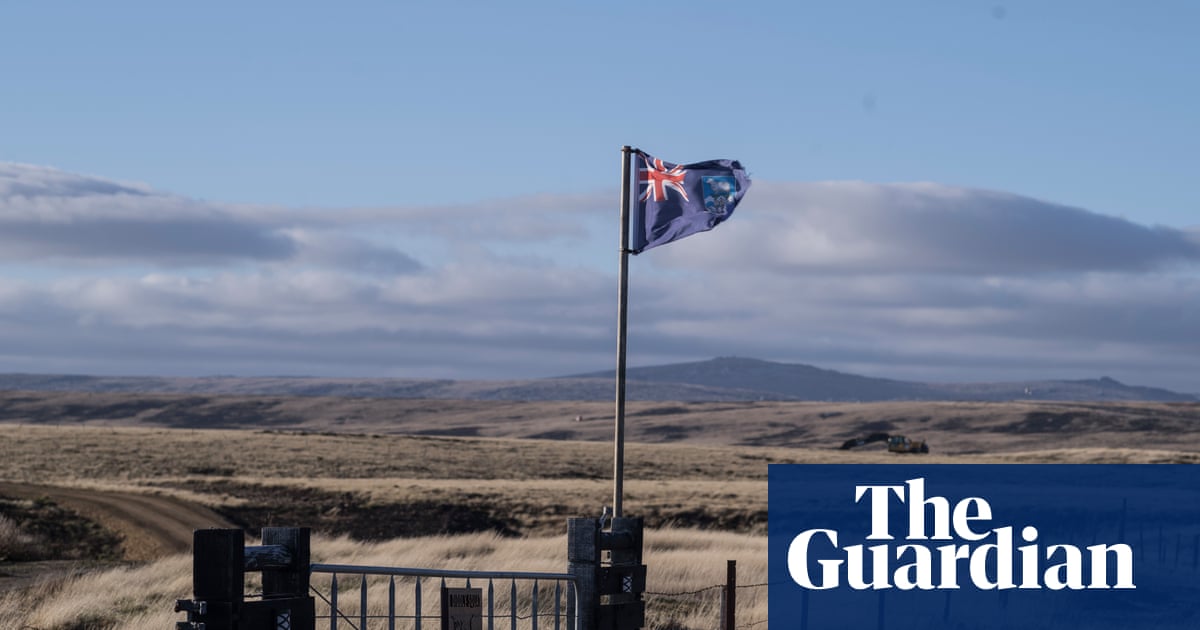
Last update: 9 hours agoFalklands health policy: The Falkland Islands Government has approved a new immigration health policy that spells out which medical conditions, treatments and medications can lead to work or residency permit refusals, including certain cancers, severe heart and respiratory disease, progressive neurological disorders, severe psychiatric illness, organ transplant ongoing treatment and some developmental disorders; refusals may also apply where medication costs exceed £2,500 a year or can’t be sourced through the islands’ supply chain, aiming to formalise existing practice and improve transparency. Remote outbreak response: HMS Medway has returned after a major medical mission to Tristan da Cunha, supporting a suspected hantavirus case—delivering aid, getting clinicians and supplies to the island, and collecting personnel after difficult weather delayed transfers. Community bereavement support: The UK’s first tri-service Armed Forces bereavement hub has launched, with a grieving widow saying pensions alone aren’t enough—especially for children and young people—highlighting the need for connected, compassionate support after military loss. Health access via connectivity: In Canada’s Thompson Okanagan region, high-speed fibre is set to reach up to 4,000 households across 50 rural and Indigenous communities, with officials linking better connectivity to access to healthcare. Falklands conflict remembrance: A Falklands veteran who survived the 1982 bombing of RFA Sir Galahad shared his recovery journey and ongoing mental health support needs.
Note: AI summary from news headlines; neutral sources weighted more to help reduce bias in the result. Feedback is welcome. Please let us know if you have any comments or suggestions about the AGP Executive Report.